
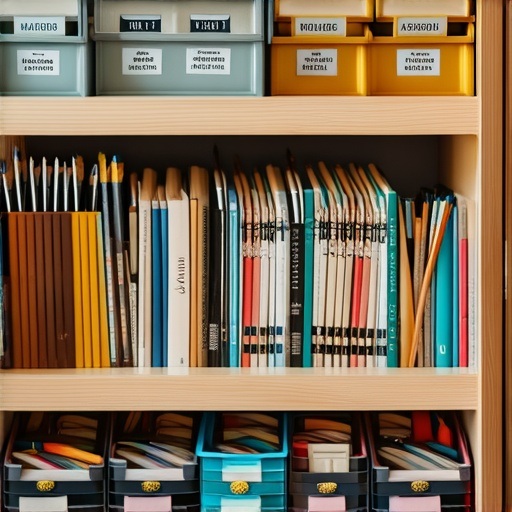
I have a confession: I went a little feral on Amazon when we first decided to homeschool. Something about the phrase "learning through play" turned me into a person who thought my three-year-old needed a $65 curriculum kit and a laminated morning routine chart with a weather wheel.
Spoiler: he did not.
After a year and a half of homeschooling, I've figured out what actually gets used in our house versus what sits in a bin making me feel guilty. Here's the honest breakdown.
Worth Every Penny
Magna-Tiles
Magna-Tiles are the single best purchase I've made for homeschool. Full stop. My son builds with these every single day. Towers, houses, "garages" for his cars, enclosures for plastic dinosaurs. They teach geometry, spatial reasoning, and engineering without anyone having to say the word "geometry."
We started with the 100-piece set and it's been worth every overpriced penny. They've survived being thrown, stepped on, and used as drums. Still magnetic. Still clicking together. If you buy one thing on this list, make it these.
A Good Laminator
I resisted buying a laminator because it felt like an "extra" teacher-mom purchase. I was wrong. I laminate everything now. Alphabet cards, number lines, nature scavenger hunt lists, little maps for our walks. My kid can use them with dry-erase markers and I don't have to reprint things every time they get destroyed.
It also turns out that toddlers think the laminator itself is fascinating, so there's a solid five minutes of entertainment just watching paper go through it.
Sensory Bins
Not a specific product — more of a concept. A plastic bin, some dried rice or water beads, a few scoops and cups. That's it. My son will sit with a sensory bin for 45 minutes, which in toddler time is roughly six hours. We do themed bins sometimes (ocean animals in blue water beads, dinosaurs in dried pasta), but honestly plain rice and some measuring cups work just as well.
The mess is real. I won't lie about that. But the focus and fine motor practice are worth the vacuuming.
Nature Journal
We got a simple sketch journal and it's become one of our favorite things. After hikes or backyard time, we draw what we found — bugs, leaves, rocks, whatever. My son's "drawings" are mostly circles and scribbles, but he narrates them like he's presenting a thesis. "That's a beetle, mama. He lives in the dirt. He's nice."
It's teaching observation, language, and sitting-still-for-two-minutes, which is a skill we're actively developing.
Watercolor Set
A decent watercolor set — not the fancy artist kind, just good washable ones — gets used almost daily. We paint leaves, we paint rocks, we paint our hands. Art is a huge part of how my kid processes the world, and watercolors are forgiving enough that there's no "wrong" way to use them.
Also: washable. I cannot stress this enough. Get the washable ones.
A Big Roll of Butcher Paper
Butcher paper taped to the floor or table is our most-used art surface. Better than coloring books (no lines to stay inside of, which eliminates the meltdown). We trace bodies, paint murals, practice letters, and make maps. One roll lasts forever and costs almost nothing.
Waste of Money
Overpriced Toddler Curriculum
I bought a $65 "pre-K curriculum in a box" that came with a schedule, workbook pages, and tiny flashcards. My son was two and a half. He ate one of the flashcards and used the workbook as a landing pad for toy helicopters.
At this age, everything is curriculum. Cooking is math. The backyard is science. A trip to the grocery store is a field trip. You don't need a boxed set to teach a toddler. Save your money until they're actually ready to sit and do structured work — if that's ever your style.
Fancy Flash Cards
The beautifully illustrated, Instagram-famous flash cards. You know the ones. Gorgeous watercolor animals on thick cardstock. My son looked at them once, said "doggy" about a wolf, and never touched them again.
Regular interaction with actual books does so much more than flash cards. Read together. Point at things outside. Flash cards are for adults who want to feel productive.
Anything That Required Sitting Still
Workbooks. Tracing sheets. "Quiet time" activity kits designed for kids who apparently already know how to be quiet. My kid is a mover. He learns by climbing, building, digging, and pouring things into other things. Anything that required him to sit at a table with a pencil was a non-starter.
If your kid loves sitting and doing worksheets — genuinely, no judgment, that's amazing. Mine would rather wrestle a cactus. Know your kid.
Alphabet Wall Decals
They looked cute for about a week. Then he peeled off all the vowels and stuck them to the dog. Now I have a wall with sporadic consonants and a dog who occasionally has an "E" on her butt.
The Takeaway
The stuff that works for us has one thing in common: it's open-ended. No instructions, no "right answer," no prescribed way to use it. Magna-Tiles, paint, sensory bins, blank paper — they all become whatever my kid needs them to be that day.
The stuff that flopped had one thing in common too: it assumed my toddler wanted to sit down and be taught. He does not. He wants to discover things, make a mess, and tell me about it. So that's what we do.
Your kid might be completely different, and that's fine. The only real waste of money is buying stuff that doesn't fit the kid you actually have.
What homeschool supplies have been hits or misses for your family? Come tell me — I'm @thevioletmama everywhere.

About Violet
A homeschooling mom, software engineer, and nature enthusiast passionate about natural living and helping families create joyful, grounded lifestyles rooted in wellness.
Related Posts
Thanks for reading!
← Read More Posts